


Colorado is cutting nonresidential assessment rates to 25% in 2027. What NJ and PA owners should watch in retail, industrial and office vacancy and tax bills.

Can investing in a US business lead to a green card? How EB5, E2 and other investor visas work in 2026, and how hotels and commercial property fit into them.
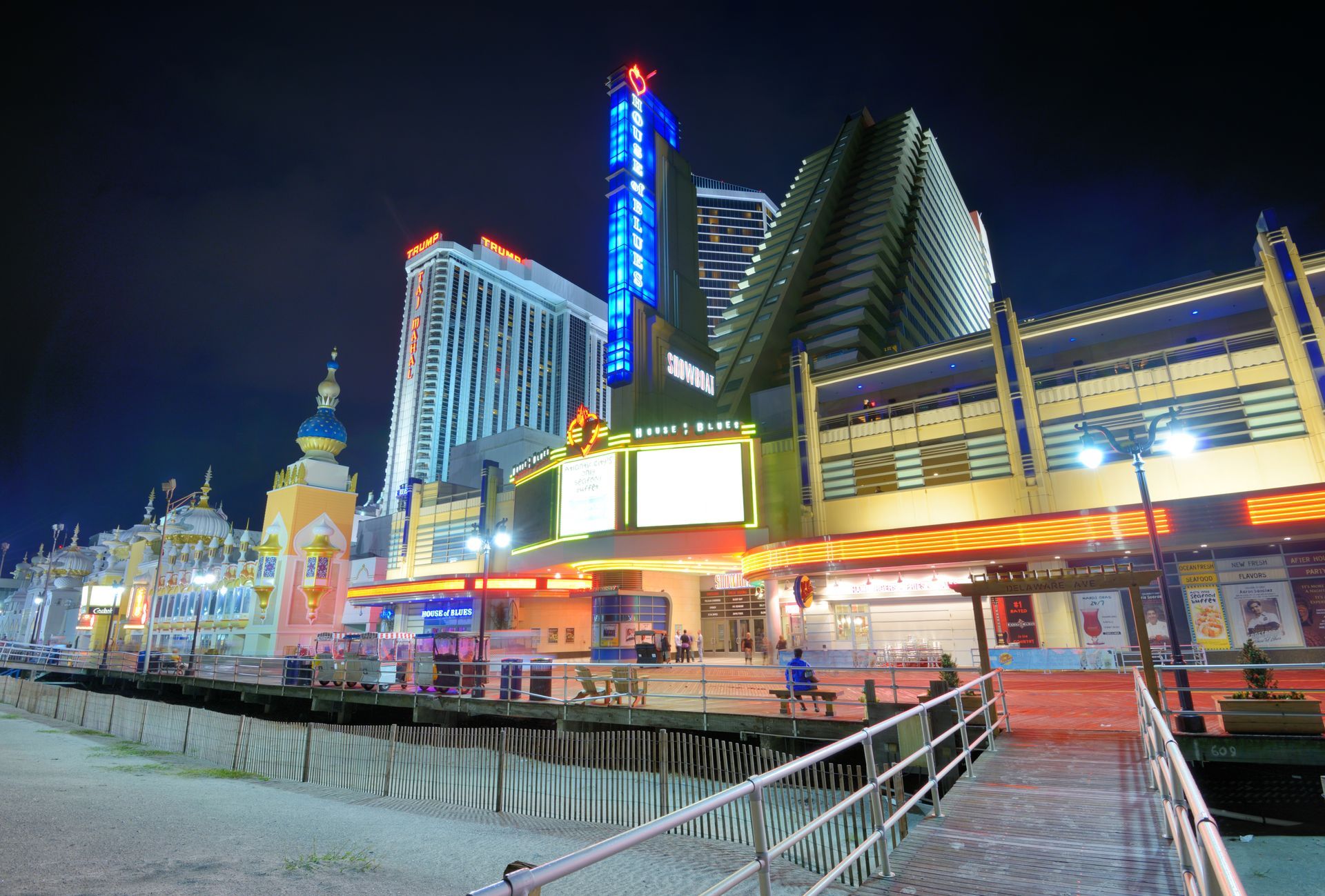
There is no simple right or wrong answer when a major hospitality property faces changing demand, rising operating costs, expensive renovation needs, and an uncertain economic outlook . Owners must decide where to place capital based on the facts available today while trying to anticipate what customers, investors, lenders, and the market may demand tomorrow. Atlantic City is now offering an interesting example of two major hospitality properties taking very different paths. Ocean Casino Resort is investing $14 million to expand The Cove, its high limit slot area, after identifying strong demand for a premium gaming experience. At the same time, the Sheraton Atlantic City Convention Center Hotel is pursuing a proposed $100 million redevelopment that would reduce its hotel room inventory and introduce age restricted housing as part of a new mixed use model. These are not simply two construction projects. They are two very different approaches to improving the long term performance of large existing assets. Ocean is choosing to invest more heavily in an experience that management believes is already working. The Sheraton is considering a change in use because its owner says the hotel, at its present 502 room size, cannot be sustained by convention demand alone. Both decisions are based on the same fundamental question. How can an owner create the strongest possible future from the property they already own? Ocean is expanding an area of demand Ocean Casino Resort’s decision is built around a relatively straightforward idea. If a particular part of the property is producing strong demand, the owner may decide that it deserves more space, more capital, and a better customer experience. The Cove is currently approximately 7,450 square feet. Ocean plans to expand it to 11,935 square feet, an increase of nearly 60 percent. The expanded Cove is expected to include more than 192 slot machines and is scheduled to open in early 2027. The project is not simply about adding machines. Ocean has said the redesigned space will include lounge seating, specialized cocktail service, dedicated restrooms, cashier booths, and a more elevated high limit environment. The company says the expansion is a response to strong demand for high end slots. From a commercial real estate perspective, that is an important distinction. Ocean is not adding another hotel tower. It is not adding hundreds of guest rooms. It is not acquiring another casino property. It is looking inside its existing resort and directing capital toward a particular experience that management believes can generate more revenue and provide a stronger guest experience. This is a lesson in revenue per square foot. Not every part of a hotel, casino, shopping center, restaurant, apartment complex, or mixed use property produces the same return. Some spaces have stronger customer traffic. Some support premium pricing. Some create repeat business. Some have demand that exceeds the space currently available. For Ocean, The Cove appears to be one of those spaces. The company is making a targeted investment in an area of the resort where it sees the opportunity to increase capacity while also increasing the level of service and comfort offered to its customers. The Sheraton is considering a different use mix The Sheraton Atlantic City Convention Center Hotel faces a different set of circumstances. The hotel has 502 rooms and is directly connected to the Atlantic City Convention Center. That connection gives the property importance beyond its own four walls. It is part of the lodging infrastructure Atlantic City needs to attract conventions, meetings, business travelers, exhibitors, and multiday events. But strategic importance does not automatically make an asset financially sustainable. The Sheraton’s owner has argued that the property cannot be supported by convention demand alone at its current size. The proposed redevelopment would therefore change the building’s business model. The plan calls for an approximately $100 million redevelopment. It would convert 130 hotel rooms into age restricted apartments and renovate 252 hotel rooms, creating a smaller hotel component alongside residential use. The central idea is that the residential component could create a more dependable, recurring income stream, while the renovated hotel would continue to provide convention related lodging. This is not simply a conversion story. It is an adaptive reuse strategy designed to reduce the property’s dependence on one revenue source. A hotel depends on room demand, rates, group bookings, leisure travel, convention activity, labor costs, operating expenses, competition, and economic conditions. A residential component, if successfully developed and leased, may offer a different type of income stability. Of course, the proposal also raises an important question for Atlantic City. If the Sheraton’s room count is reduced, will Atlantic City still have enough conveniently located hotel rooms to compete for larger conventions? That is a fair question. The Sheraton is directly connected to the Convention Center. Those rooms have value to meeting planners and event organizers because they provide convenience for attendees, speakers, exhibitors, and staff. Reducing the hotel inventory could make it harder to offer room blocks close to the Convention Center. At the same time, supporters of the redevelopment can make an equally reasonable argument. If the existing 502 room hotel cannot be sustained financially, preserving a smaller and renovated hotel may be better than allowing the entire property to close or continue to decline. The Sheraton’s proposal reportedly depends on financing support, including $79 million in Aspire tax credits. The Aspire program is intended to provide gap financing for projects that may not be economically feasible without assistance. The proposal therefore involves more than a building redesign. It involves capital, public policy, convention economics, housing demand, and the long term future of one of Atlantic City’s important hospitality assets. Two different strategies, one shared goal Ocean Casino Resort and the Sheraton Atlantic City Convention Center Hotel are taking very different approaches, but both ownership groups appear to be pursuing the same goal. They are trying to optimize the best possible outcome from the facts available today and their expectations for tomorrow. Ocean is investing in a premium customer experience that management believes has demand now and may generate even more revenue with greater capacity and better service. The Sheraton is proposing a mixed use model because its owner believes that the existing hotel format no longer provides enough dependable income on its own. One strategy is based on expanding what is working. The other is based on adapting what may no longer work at its original scale. Neither decision is guaranteed. Ocean will need to show that its expanded Cove produces enough additional revenue, premium customer spending, and guest loyalty to justify the $14 million investment. The Sheraton will need to show that a smaller hotel and age restricted residential component can create a stronger, more stable asset while preserving a meaningful role in Atlantic City’s convention business. That is why this comparison is so interesting. It is not a matter of one property making a correct decision and the other making a mistake. It is a reminder that commercial real estate decisions are often made under uncertainty. Owners must evaluate current operating data, customer demand, construction costs, market competition, financing conditions, and future risk before deciding where to allocate capital. The larger real estate lesson For property owners, investors, and developers, the broader lesson is that growth does not always mean more buildings, more rooms, or more square footage. Sometimes the best investment is to expand the part of the asset that is already generating the strongest return. That could mean premium gaming, food and beverage, luxury suites, meeting space, outdoor amenities, medical space, entertainment, fitness, marina services, retail, or another high demand use. At other times, the most responsible decision may be to recognize that part of the property is no longer generating enough income in its existing form. In that case, the owner may need to consider a different mix of uses, including residential, senior housing, extended stay, office, medical, education, or entertainment. The important question is not simply, “What should we build next?” The more useful question may be: Which part of the property we already own has the best chance to create more value, and which part needs a new purpose? Ocean and the Sheraton are giving Atlantic City a real time lesson in two possible answers. What do you think? When a large hospitality property faces changing demand, is the stronger strategy to invest more heavily in the part of the asset that is already performing well? Or is it better to reduce dependence on one revenue source and create a more diversified use mix, even if that means changing part of the property’s original purpose? There may not be one universal answer. The right decision depends on the asset, its location, its customer base, the owner’s financial position, available financing, renovation costs, local demand, and the risks of an uncertain economy. But Ocean Casino Resort and the Sheraton Atlantic City Convention Center Hotel are offering Atlantic City two visible, very different paths forward. Sources & References: NJBIZ and Atlantic City Market.